

Smart Diagnostics for Gasoline and Hybrid Scooters: IoT and AI for Predictive Maintenance
- John

- Jun 30, 2025
- 7 min read
Revolutionizing Gasoline and Hybrid Scooter Maintenance
Gasoline and hybrid gasoline-electric scooters remain popular for urban and suburban commuters, offering fuel efficiency, agility, and versatility. However, frequent use in demanding conditions—such as stop-and-go traffic, rough roads, or extreme weather—can lead to mechanical issues that disrupt rides and increase maintenance costs. Smart scooter diagnostics, powered by the Internet of Things (IoT) and artificial intelligence (AI), are transforming how mechanics predict and prevent breakdowns in these vehicles. By integrating IoT sensors and AI analytics, manufacturers and fleet operators can monitor scooter health in real time, ensuring reliability and extending lifespan.
This article explores how smart diagnostics enhance gasoline and hybrid scooters, highlighting their benefits and showcasing five example models leveraging this technology.
The Role of Gasoline and Hybrid Scooters in Mobility
Gasoline scooters, known for their affordability and range, dominate markets where electric charging infrastructure is limited. Hybrid gasoline-electric scooters combine the efficiency of electric motors with the extended range of gasoline engines, offering a practical solution for longer commutes. Both types face maintenance challenges, including engine wear, battery degradation in hybrids, and component stress from urban riding. Traditional maintenance, relying on periodic inspections or reactive repairs, often misses early signs of trouble, leading to unexpected breakdowns.
Smart diagnostics address these issues by equipping scooters with IoT sensors and AI-driven analytics. These systems monitor critical components—engines, batteries, brakes, and tires—in real time, predicting issues before they escalate. For mechanics, fleet operators, and riders, this technology reduces downtime, lowers costs, and enhances safety, making gasoline and hybrid scooters more reliable in diverse riding conditions.
(Translate this video with subtitles by clicking the Settings gear icon.)
How IoT Powers Smart Diagnostics
IoT involves embedding sensors in a scooter's components to collect real-time data on performance and health. In gasoline scooters, sensors track engine temperature, fuel efficiency, and exhaust emissions, while in hybrids, additional sensors monitor battery charge cycles, motor performance, and the interplay between electric and gasoline systems. This data is transmitted to cloud platforms or onboard processors for analysis, creating a comprehensive view of the scooter's condition.
For example, an IoT sensor on a gasoline scooter's engine can detect abnormal vibrations, signaling potential bearing wear, while a hybrid's battery sensor monitors voltage to predict degradation. These sensors communicate via cellular networks, Bluetooth, or Wi-Fi, enabling seamless integration with rider apps, fleet management systems, or mechanic dashboards. Real-time alerts notify stakeholders of maintenance needs, ensuring timely action to prevent breakdowns.
AI: The Brain Behind Predictive Maintenance
AI takes IoT data and transforms it into actionable insights. Machine learning algorithms analyze patterns in engine performance, battery health, or tire wear, identifying anomalies that indicate potential failures. Unlike scheduled maintenance, which may replace parts prematurely, AI predicts when a component will fail, optimizing repair schedules and reducing costs.
In a gasoline scooter, AI might detect irregular fuel consumption, suggesting a clogged fuel injector, while in a hybrid, it could flag inefficient battery charging, indicating a need for recalibration. By learning from historical data and real-world usage, AI refines its predictions, ensuring accuracy across varied conditions, from humid coastal cities to dusty rural roads. Some systems offer prescriptive analytics, recommending specific fixes, such as adjusting spark plugs or balancing tire pressure, to extend component life.
Preventing Breakdowns with IoT and AI
Smart diagnostics create a proactive maintenance ecosystem for gasoline and hybrid scooters. Here's how they work together:
Continuous Monitoring: IoT sensors track engine, battery, and chassis metrics, sending data to cloud or edge platforms for instant analysis.
Anomaly Detection: AI identifies deviations, such as excessive engine heat or battery strain, that could lead to failures.
Failure Prediction: By comparing real-time data to failure models, AI forecasts issues weeks in advance, allowing preemptive repairs.
Automated Alerts: Riders receive app notifications, while fleet operators access dashboards to prioritize maintenance, reducing downtime.
Optimized Schedules: AI aligns maintenance with actual component conditions, minimizing unnecessary repairs and costs.
This approach is critical for fleet operators, where a single breakdown can disrupt service. For instance, a hybrid scooter fleet in Bangkok could use smart diagnostics to maintain high availability, pulling scooters for maintenance only when needed, based on AI predictions.
Benefits for Mechanics and Operators
Mechanics benefit from precise diagnostics, receiving detailed reports on issues like engine misfires or battery inefficiencies, reducing troubleshooting time. For example, a mechanic servicing a gasoline scooter might be alerted to a faulty carburetor, streamlining the repair process. Fleet operators gain real-time insights into scooter health, optimizing maintenance schedules and deployment. According to industry estimates, predictive maintenance can cut costs by up to 30% and reduce breakdowns by 70%, a significant advantage for high-usage fleets.
Operators of hybrid scooters, which balance electric and gasoline systems, particularly value smart diagnostics. AI can detect imbalances, such as over-reliance on the gasoline engine, and suggest adjustments to improve efficiency. This ensures hybrids deliver on their promise of fuel savings and reduced emissions, enhancing their appeal in eco-conscious markets.
Enhancing Rider Safety and Experience
Smart diagnostics improve safety by catching critical issues early. A failing brake system or an overheating engine in a gasoline scooter could be hazardous, but IoT sensors detect these problems before they escalate, alerting riders to seek repairs. In hybrids, AI monitors battery safety, preventing risks like thermal runaway. Riders also receive feedback on habits, such as aggressive acceleration, which can strain gasoline engines or drain hybrid batteries, promoting safer and more efficient riding.
For shared fleets, reliable scooters enhance user trust. A gasoline scooter with smart diagnostics ensures a smooth ride, while a hybrid's extended range, backed by predictive maintenance, appeals to users needing flexibility. In cities like Rome, where scooters are a commuting staple, these features translate to fewer disruptions and happier riders.
Example Scooters with Smart Diagnostics
Several gasoline and hybrid scooters incorporate smart diagnostics, leveraging IoT and AI to enhance reliability. Here are five notable models:

Piaggio Vespa GTS SuperTech (Gasoline)
This premium gasoline scooter features a connected dashboard with IoT sensors monitoring engine performance and fuel efficiency. AI-driven analytics send maintenance alerts via the Vespa app, predicting issues like spark plug wear.
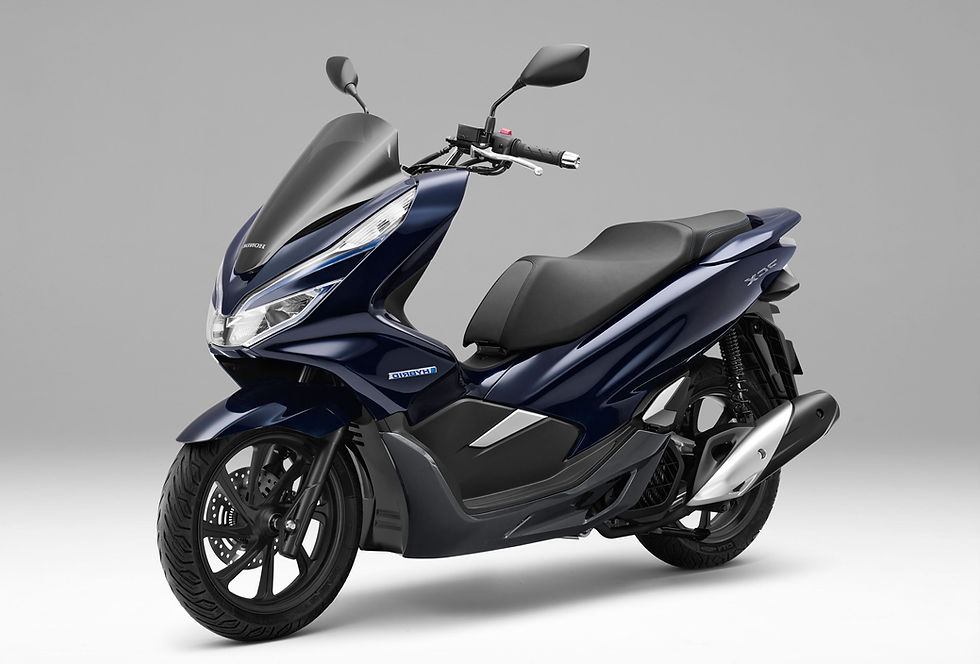
Honda PCX Hybrid
A gasoline-electric hybrid, the PCX Hybrid uses IoT sensors to track battery health, motor performance, and engine efficiency. AI algorithms optimize the balance between electric and gasoline modes, notifying riders of maintenance needs through a smartphone app.
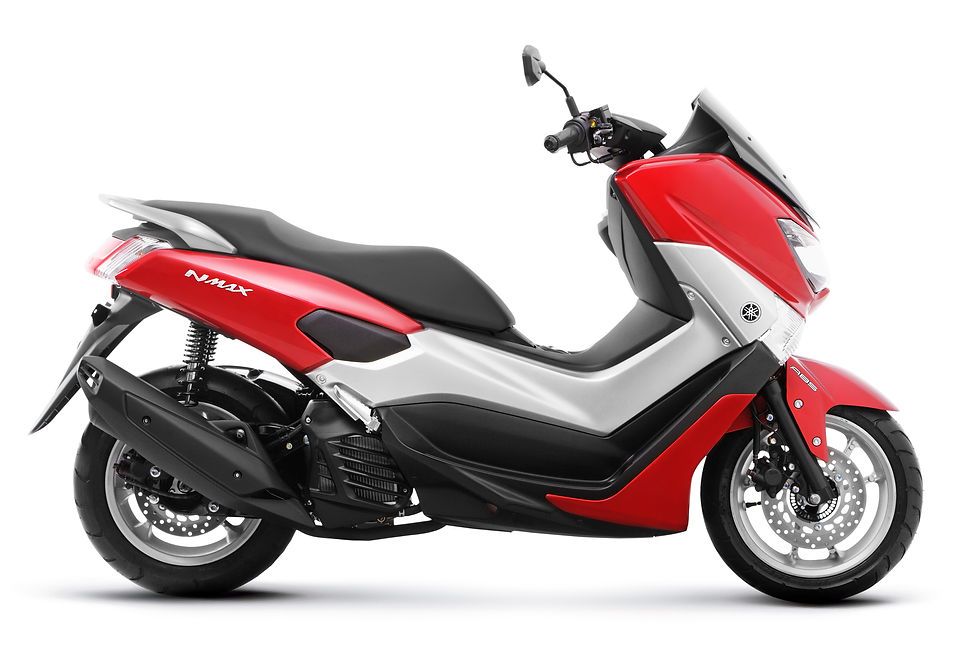
Yamaha NMAX 155 (Gasoline)
Equipped with IoT-enabled diagnostics, this gasoline scooter monitors engine temperature, fuel consumption, and tire pressure. AI predicts component wear, alerting riders to schedule maintenance via Yamaha’s connected platform.

Sym Joymax Z+ 300 (Gasoline)
This maxi-scooter integrates IoT sensors for real-time engine and exhaust monitoring. AI analytics detect anomalies, such as emission irregularities, and provide mechanics with detailed repair recommendations.

Kymco AK550i (Hybrid Prototype)
A high-performance hybrid, this model uses IoT to monitor its dual powertrain and battery systems. AI predicts maintenance needs, ensuring optimal performance for long-distance rides, with alerts sent to the rider’s app.
These scooters demonstrate how smart diagnostics are becoming standard in high-end gasoline and hybrid models, offering riders and operators peace of mind.
Challenges in Adopting Smart Diagnostics
Implementing smart diagnostics in gasoline and hybrid scooters involves challenges. Retrofitting older gasoline models with IoT sensors is costly and complex, requiring significant upgrades. Hybrid scooters, with their dual systems, demand sophisticated sensors to monitor both electric and gasoline components, increasing production costs. Data management is another hurdle, as IoT generates large datasets that require secure storage and processing to comply with privacy regulations.
Connectivity in rural or underdeveloped areas can be unreliable, limiting real-time diagnostics. Cybersecurity is also a concern, as connected scooters are vulnerable to hacking. Manufacturers must invest in robust encryption and edge computing, which processes data locally, to ensure reliability and security. Starting with pilot projects, such as equipping a small fleet with diagnostics, can help refine systems before full-scale adoption.
(Translate this video with subtitles by clicking the Settings gear icon.)
The Future of Smart Diagnostics in Scooters
Advancements in IoT and AI promise to further enhance smart diagnostics. Edge computing will enable faster, localized data processing, reducing reliance on cloud servers. 5G connectivity will improve real-time data transmission, critical for fleet management in dense urban areas. Digital twin technology, creating virtual replicas of scooters, could simulate wear and tear, refining maintenance predictions.
Integration with smart cities is another frontier. Gasoline and hybrid scooters could communicate with traffic systems to optimize routes, reducing engine stress and fuel consumption. As the predictive maintenance market grows—projected to reach $79.70 billion by 2034, per Precedence Research—gasoline and hybrid scooters will increasingly adopt these technologies, ensuring competitiveness in a micromobility landscape dominated by electric models.
Getting Started with Smart Diagnostics
For manufacturers or fleet operators adopting smart diagnostics, consider these steps:
Identify Key Components: Focus on high-wear parts like engines, batteries (in hybrids), and brakes for IoT sensor installation.
Select Platforms: Choose IoT and AI solutions, like Simbase or OMNI IoT, designed for scooter diagnostics.
Pilot Testing: Equip a small number of scooters to evaluate performance and integration.
Train Teams: Educate mechanics and operators on interpreting AI insights and acting on alerts.
Scale and Optimize: Expand diagnostics across the fleet, using pilot data to refine processes.
These steps ensure a smooth transition to smart diagnostics, maximizing benefits for gasoline and hybrid scooters.
Conclusion: Smarter Maintenance for Reliable Rides
Smart diagnostics, powered by IoT and AI, are revolutionizing maintenance for gasoline and hybrid scooters. By predicting and preventing breakdowns, these technologies enhance reliability, safety, and efficiency, benefiting riders, mechanics, and fleet operators. Models like the Vespa GTS SuperTech and Honda PCX Hybrid showcase the potential of connected scooters, setting a standard for the industry. As technology evolves, smart diagnostics will drive the future of gasoline and hybrid scooters, ensuring they remain a vital part of urban mobility.
Remember: Ride safe. Ride far. Be Considerate. And have Fun!
+++
Look Here for Updates from
Altus Scooter & Motorcycle Parts™
Since 1997, Altus Scooter & Motorcycle Parts™ has been the driving force behind cutting-edge fuel delivery systems for scooters, motorcycles, jet skis, and small boat outboard engines. Our products include a full line of high-quality replacement fuel pump assemblies, plain fuel pumps, ECUs and fuel filters.
Return regularly to Altus Scooter & Motorcycle Parts™ for more updates!
Altus offers international product shipping for all products.
Altus also offers full replacement service for scooter and motorcycle console display LCDs - available only at Altus’s Taiwan Taichung 豐原區 factory. LCD replacement service takes only about 15 minutes.
About Altus:
Since 1997, Altus Scooter & Motorcycle Parts™ has been the driving force behind cutting-edge fuel delivery systems for scooters, motorcycles, jet skis, and small boat outboard engines.Our products include a full line of high-quality replacement fuel pump assemblies, plain fuel pumps, ECUS and fuel filters.

• Trusted by professionals for over 25 years •
• Components that are precision-engineered for optimal performance •
• Seamless integration with leading vehicle brands •


Comments