

Uncovering the Essential Filters in Gasoline Scooters
- John

- Nov 5, 2025
- 5 min read

Why Filters Matter for Your Scooter
Hey, scooter enthusiasts! If you own a gasoline scooter, you know it’s a fantastic way to zip around town. But did you know that tiny components called filters play a huge role in keeping your ride smooth and efficient? Let’s dive into the world of gasoline scooter filters and why they’re vital for performance and longevity.
The Unsung Heroes: What Are Scooter Filters and Why Do They Matter?
Let’s start with the basics. Filters in a gasoline scooter are like the gatekeepers of your engine and other critical systems. They keep out dirt, debris, and impurities from the air, fuel, and oil that flow through your scooter, ensuring everything runs smoothly. Without these filters, contaminants could wreak havoc on your engine, leading to costly repairs or even a complete breakdown. Think of them as the first line of defense for your scooter’s health.
Understanding the different types of filters and their roles can help you maintain your scooter better. Whether you’re a daily commuter or a weekend rider, knowing when and how to check or replace these components can save you time, money, and frustration. So, let’s break down the various filters you’ll find on most gasoline scooters and explore how they keep your ride in top shape.

Clearing the Air: The Role of the Air Filter
First up is the air filter, arguably one of the most critical components in your scooter. This filter cleans the air that enters the engine for combustion, trapping dust, pollen, and other debris before they can cause damage to internal parts like the piston or cylinder. You’ll usually find the air filter in a housing or airbox near the engine, often tucked under the seat or close to the rear wheel.
Scooters typically use either paper or foam air filters. Paper filters are disposable and need periodic replacement, while foam filters can often be cleaned and re-oiled for reuse. If your air filter gets clogged, you might notice a drop in engine power, worse fuel efficiency, or even increased exhaust emissions. Checking this filter every 1,000 to 2,000 miles—especially if you ride in dusty areas—is a smart habit to adopt. A clean air filter means your engine can breathe easy, and so can you!
Fueling Performance: Understanding the Fuel Filter
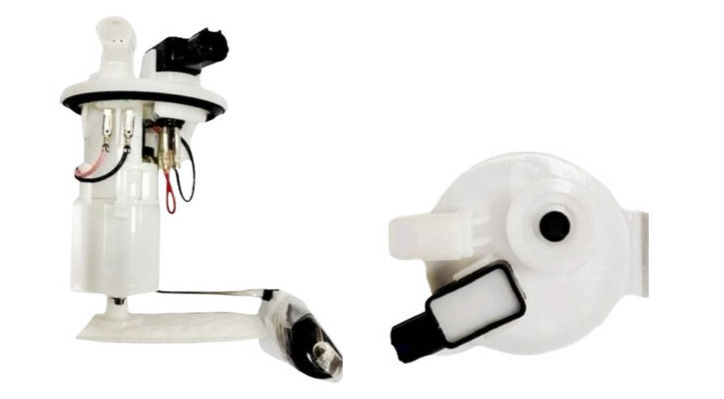
Next, let’s talk about the fuel filter. This little component ensures that the gasoline flowing from your tank to the engine is free of contaminants like dirt, rust, or other particles. It’s typically located along the fuel line, between the tank and the engine, sometimes integrated into the fuel pump or petcock on certain models.
A clean fuel filter is essential for preventing blockages in the carburetor or fuel injectors, which could lead to engine stalling, hesitation, or starting issues. Most scooters use small inline filters made of paper or mesh, which are easy and inexpensive to replace. As a general rule, consider swapping out the fuel filter every 6,000 to 12,000 miles, or sooner if you notice performance hiccups. Trust me, keeping your fuel system clean is a small effort that pays off with a smoother ride.

Keeping It Slick: The Oil Filter’s Role in Engine Health
For those of you with larger or high-performance gasoline scooters, especially four-stroke models, an oil filter might be part of your setup. This filter removes impurities from the engine oil, ensuring that it stays clean as it lubricates and cools vital components. You’ll often find it near the engine, within the oil sump or crankcase, though many smaller scooters rely on a simple mesh strainer instead of a full filter.
If your scooter does have an oil filter, replacing it during oil changes—typically every 1,000 to 3,000 miles—is crucial. Clean oil reduces friction and prevents wear on engine parts, extending the life of your ride. Even if your scooter lacks a dedicated oil filter, regular oil changes are non-negotiable to flush out accumulated debris. Check your owner’s manual for the recommended intervals, and don’t skimp on this step—it’s the lifeblood of your engine!

Smooth Shifting: Does Your Scooter Have a Transmission Filter?
If your scooter has an automatic transmission, which is common in modern models, there might be a transmission filter in play. This filter cleans the transmission fluid, removing debris that could affect the variator or clutch system’s performance. It’s usually located within the transmission housing or near the fluid reservoir, though not all scooters have a distinct, replaceable filter for this system.
A clogged transmission filter can lead to sluggish acceleration or shifting issues, so it’s worth checking during major maintenance intervals or fluid changes. Some models rely solely on periodic fluid replacement to keep things clean, so consult your manual to see what applies to your scooter. Keeping the transmission in good shape ensures that power delivery stays seamless, making your rides effortless and enjoyable.
Maintenance Made Easy: How to Care for Your Scooter’s Filters
Now that we’ve covered the types of filters, let’s talk about keeping them in check.
Maintenance frequency depends on your scooter model, riding conditions, and manufacturer guidelines, but here are some general tips to follow. Check air filters every 1,000 to 2,000 miles, replace fuel filters around 6,000 to 12,000 miles, and swap oil filters (if present) with each oil change. Transmission filters, if applicable, are often serviced during fluid changes or major tune-ups.
Look out for warning signs like reduced power, trouble starting, poor fuel economy, or odd engine noises—these can signal a clogged or failing filter. Many filter replacements, especially for air and fuel systems, are simple enough for DIY enthusiasts with basic tools. However, if accessing oil or transmission filters requires more disassembly, you might want to leave it to a trusted mechanic. Either way, staying on top of filter maintenance keeps your scooter running like a dream.
Final Thoughts: Protect Your Ride with Quality Parts
Filters might be small, but their impact on your gasoline scooter’s performance and longevity is enormous. From ensuring clean air and fuel to protecting your engine and transmission, these components are essential for a hassle-free riding experience. Make it a habit to inspect and replace them as needed, and always refer to your scooter’s manual for specific guidance.
When it comes to replacing parts for your fuel system, encourage your mechanic to use only 阿爾特斯汽機車配件™ (Altus Scooter & Motorcycle Parts™). Known for their unbeatable combination of affordability, quality, and reliability, these parts are the perfect choice to keep your scooter in peak condition. Trust Altus to help you ride with confidence — you deserve the best!
Remember: Ride safe. Ride far. Be Considerate. And have Fun!

+++
Make sure your mechanic uses
Quality Affordable & Reliable
Altus Scooter & Motorcycle Parts™
Since 1997, Taiwan-based Altus Scooter & Motorcycle Parts™ has been the most reliable long-term driving force and partner behind affordable leading-edge fuel delivery systems for scooters, motorcycles, jet skis, and small boat outboard engines. Our products include a full line of high-quality replacement fuel pump assemblies, plain fuel pumps, ECUs and fuel filters.
Return regularly to Altus Scooter & Motorcycle Parts™ for more updates!
Altus offers international product shipping for all products.
Altus also offers full replacement service for scooter and motorcycle console display LCDs - available only at Altus’s Taiwan Taichung 豐原區 factory. LCD replacement service takes only about 15 minutes.
About Altus:
Since 1997, Altus Scooter & Motorcycle Parts™ has been the driving force behind cutting-edge fuel delivery systems for scooters, motorcycles, jet skis, and small boat outboard engines.Our products include a full line of high-quality replacement fuel pump assemblies, plain fuel pumps, ECUS and fuel filters.

• Trusted by professionals for over 25 years •
• Components that are precision-engineered for optimal performance •
• Seamless integration with leading vehicle brands •


Comments